
Why Kids Skip or Double-Count Objects (And How to Help!)
Mar 16, 2026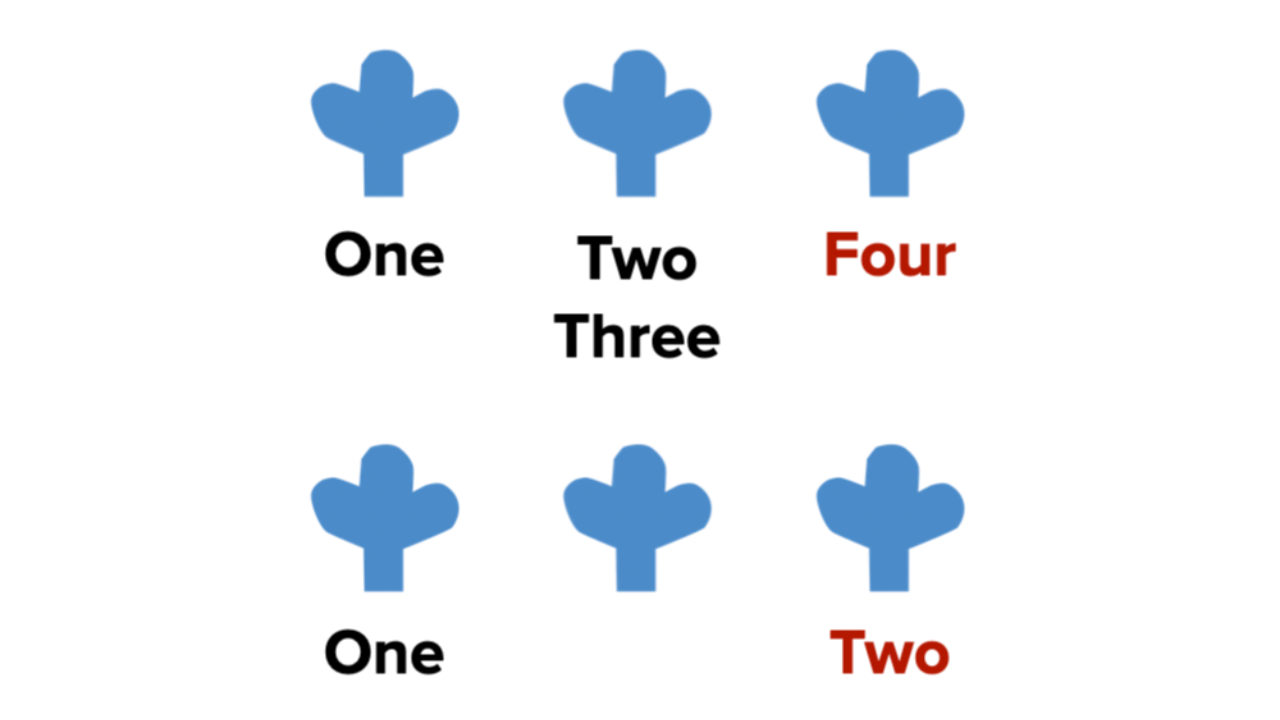
Even after your child has mastered saying the number words in the right order, you might notice that they have trouble applying this count list to a set of objects. This might look like skipping over objects, counting the same object twice, or losing track of which objects they have and haven’t counted.
To successfully count and find the total number of objects in a set, each object needs to be labeled with one (and only one!) number word without skipping or repeating. This skill is called one-to-one correspondence: one number word is assigned to one object in the set.
If your child is working on this skill, there are several simple ways you can support them through play and everyday activities.
Start With Real Objects
When kids are counting objects in a book or on a worksheet, it can be tricky to keep track of what they’ve already counted. If your child is skipping objects or double-counting when they count pictures, try making the activity more hands-on by placing small objects like pompoms, buttons, or other loose parts on top of each picture.
See it in action here:
Organization Matters!
When objects are close together, or arranged in a way where the set doesn't have a clear beginning or end (e.g. in a pile, or arranged in a circle), it can be hard for kids to keep track of which objects they have already counted. If you notice your child double-counting or skipping objects as they count, try placing the objects in a line or encouraging your child to arrange them themselves before they begin counting.
Slow Down and Be Dramatic
Another common challenge happens when kids rush through their verbal count list. Instead of matching each number word to an object, the count list can start to sound like one long string of memorized words as they “float” their hand above the set of objects. Sometimes kids even keep counting past the number of objects because they want to land on a familiar or “friendly” number like five or ten.
One helpful strategy is to encourage your child to slow down and model counting very dramatically. When you count with your child, emphasize the movement from one object to the next. Say each number word slowly and clearly, and make sure to say the number word right as you touch the object. Making this process a little theatrical can help your child understand that each word is being used to label exactly one object.
Practice One-to-One Correspondence Outside of Counting
Like many early math skills, one-to-one correspondence can’t be memorized - it’s a concept that kids need a lot of experience and practice with. If your child is just getting started with one-to-one correspondence or needs more practice, try these other activities that encourage pairing one thing with another.
For example, you could invite your child to:
- place one cup or plate in front of each person while setting the table
- put one toy car into each parking space on a grid
- place one pompom into each hole of an ice cube tray
These kinds of activities help children strengthen the concept of one-to-one correspondence, which will help them when counting sets of objects. With plenty of hands-on practice and opportunities to slow down and count real objects, your child will gradually learn how to keep track of each object and confidently find the total in a set.
If your child is working on saying the list of number words in order, check out this blog post!
Curious how else you can set your child up for success and confidence in math?
The Early Math Playbook guides you every step of the way and has a game library packed with fun, easy-to-learn games to help your child grow their math skills and confidence through play!